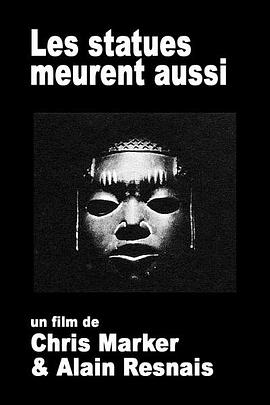
雕像也会死亡
劇情簡介
《雕像也会死亡》(Les statues meurent aussi,阿兰·雷乃、克里斯·马尔凯,1953年出品,27分钟)尖锐地批評了西方殖民主义对非洲传統藝术的戕害以及自称熱爱非洲藝术的上等阶层的贪婪与伪善。本片的主角是来自黑非洲的人物雕像、面具和其他非洲藝术品,但是它们的演出场所并非黑人的故乡,而是白人的欧洲,藝术品市场和藝术品拍卖会是它们頻頻出沒和滞留的中轉地。这些本来被非洲部族用来抵抗死亡的面具和雕像,如今却呆在博物馆的橱窗里靜靜地死去。此時,畫外音告诉我们:“当人死去的時候,他便進入了歷史;当这些雕像死去的時候,它们進入了藝术;这种關于死亡的学问,我们最後称之為文化。”由于本片具有鲜明而强烈的社会批判意识,自拍竣之日起即遭到法國政府禁映,直到1963年才解禁。本片由长于剪輯的阿兰·雷乃操刀剪輯,由强于写作的克里斯·马尔凯撰写解說,充分發挥了两人各自的强项,可谓强强合作的結晶。 This collaborative film, banned for more than a decade by French censors as an attack on French colonialism (and now available only in shortened form), is a deeply felt study of African art and the decline it underwent as a result of its contact with Western civilization. Marker's characteristically witty and thoughtful commentary is combined with images of a stark formal beauty in this passionate outcry against the fate of an art that was once integral to communal life but became debased as it fell victim to the demands of another culture.